
Powering a portable India.
Suryamanu aims to enable India's portable energy landscape through revolutionary battery technology to widen India's economic growth.
Our R&D agenda is organised around six engineering pillars — from cell chemistry and pack architecture to thermal control and cloud-based intelligence. Each pillar pushes a specific metric to the frontier, and together they define what a modern Indian battery should be.
330
Wh/kg
Cell-level energy density
2M
km
Service-life target
500
A
Direct charging current
6
°C/min
Warm-up performance
The technology stack behind SuryaManu cells.
Every breakthrough below is being researched, prototyped and validated in-house. Together they define a battery that is denser, longer-lasting, faster, safer and smarter than the previous generation.
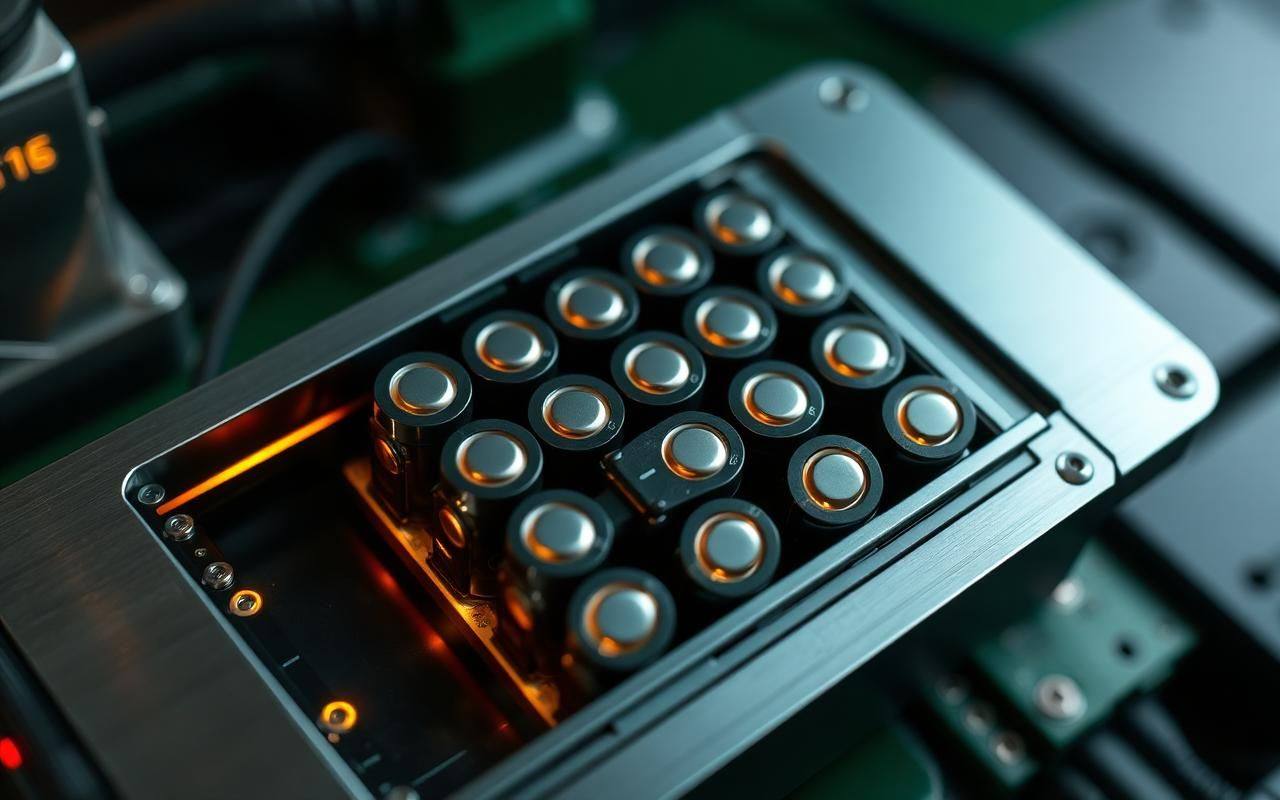
165 Wh/kg at cell level
High Energy Density
CTP (Cell to Pack) Technology
Highly integrated structural design that boosts volumetric utilization from 55% (Gen 1) to 72% (Gen 3 / SuryaManu battery). NMC SuryaManu reaches 265 Wh/kg; LFP version 205 Wh/kg.
CTC (Cell to Chassis)
Integrates the battery with vehicle body, chassis, thermal management and control modules — enabling 1,000+ km range and sub-12 kWh/100km consumption.
High-Nickel 811
Nano-rivet technology reinforces the cell structurally, balancing maximum energy density with safety.
High-Voltage Technology
Single-crystal particles with anti-oxidation electrolytes expand voltage limits and liberate more active lithium.

16 years · 2 million km
Long Service Life
Low Lithium-Consumption Anode
Reduces active lithium loss and improves anode stability over thousands of cycles.
Passivated Cathode
FIC coating creates a self-dormant interface that reactivates during use, reducing parasitic side reactions.
Bionic Self-Repairing Electrolyte
Automatically repairs the SEI layer to maintain interface integrity and stability.
Microstructural Electrode Design
Engineered ion and electron high-speed channels reduce diffusion resistance throughout the electrode.
Adaptive Expansive Force Management
Keeps cell expansion force in its optimal range to prolong useful life.
Life Compensation Technology
Staged electrolyte enrichment and gas release slow capacity fade across the battery's lifespan.
500A direct charging architecture
Super-Fast Charging
Super Electronic Network
Nano-crystallised cathode surface accelerates response and lithium extraction.
Fast Ion Ring
Porous anode coating provides abundant active sites for lithium exchange.
Isotropic Graphite
Allows lithium ions to insert from any angle, sharply boosting charging speed.
Superconducting Electrolyte
Speeds up lithium-ion transmission in the liquid and at interfaces.
High-Porosity Separator
Shortens transmission distance and lowers internal resistance.
Multi-Tab Technology
Supports 500A direct charging while keeping temperature rise under control.
Anode Potential Monitoring
Real-time adjustment prevents lithium plating during aggressive charging.

Engineered for zero propagation
Authentic Safety
Temperature-Resistant Cathode
"Material gene pool" screening improves thermostability of NMC chemistry.
Safe-Coating Technology
Nano-coating forms a stable SEI membrane and lowers material reactivity.
High-Safety Electrolyte
Functional additives reduce heat generated by solid-liquid reactions.
NP 2.0
Gas-electric separation with active isolation, purpose-built for high-energy systems.
Self-Cooling Technology
Big-data early warning automatically triggers cooling before risk escalates.
Big Data Early Warning
Real-time fault detection identifies every abnormality across the fleet.
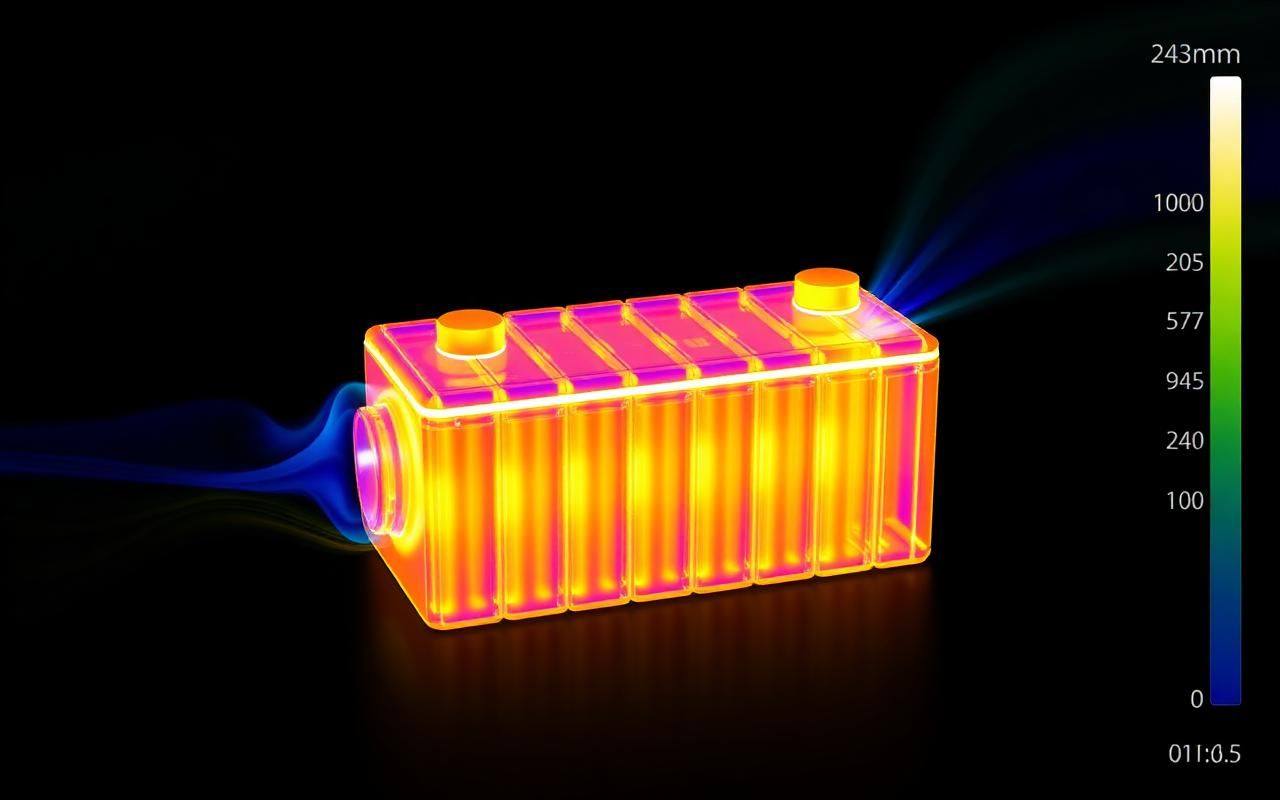
6 °C / min warm-up performance
Automatic Temperature Control
Weak Short-Circuit Cell Technology
Pulse current via motor control heats the battery — saving two-thirds of the heating time vs conventional films.
SOC Quick Correction
Predicts cell state within one minute, maintaining SOC error within ±3%.
Power Compensation
Stable discharge platform under extreme low temperature and low SOC conditions.
Cold-Resistant Materials
Customised graphite anode, high-activity cathode and low-viscosity electrolyte for all-weather performance.
24/7 lifecycle monitoring
Smart Management
Cell Health Examination
Real-time monitoring with failure-mechanism models identifies abnormal cells early.
Intelligent Fast-Charging Strategy
BMS charges within healthy zones based on real-time temperature and SOC.
Real-Time Parameter Optimisation
Big-data models predict cell status and prevent sudden power or range drops.
AB Battery Mix & Match
Intelligent algorithms dynamically balance different chemical systems together.
Wireless BMS
Simplifies wiring, cuts cost and improves reliability.
Residual Value Assessment
Battery and aging models couple to predict remaining useful life.
Edge–Cloud Collaboration
Vehicle-mounted edge computing plus cloud services for comprehensive diagnosis.
B2G (Battery to Grid)
Vehicles become distributed energy storage units for grid peak-shaving and additional revenue.